The Unsung Rows: Wisconsin's Snap Bean Empire
Chances are the canned green beans on a holiday table anywhere in America started in a Wisconsin field — the state leads the nation in snap beans for processing.
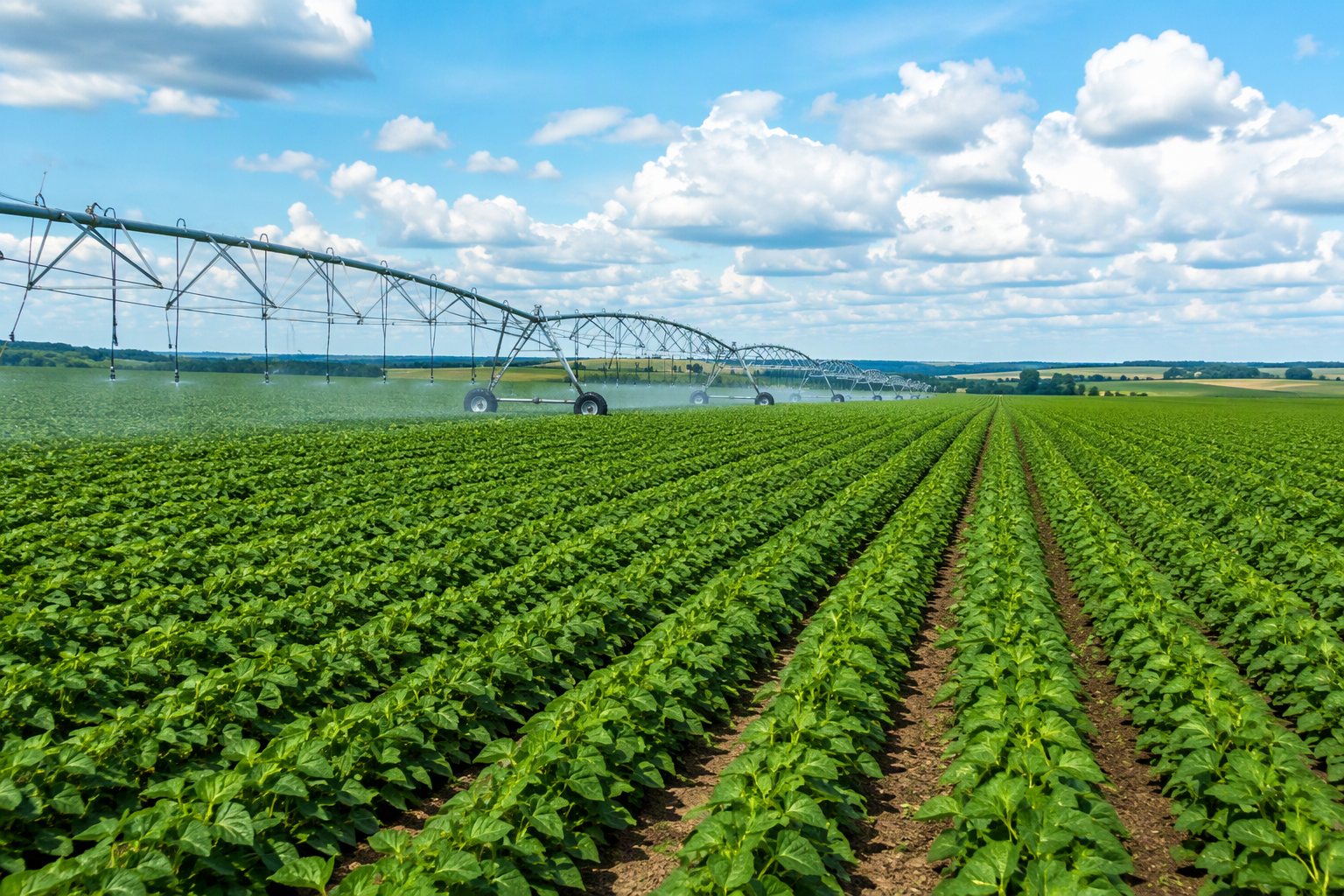
Wisconsin's farm fame runs through cheese and cranberries, but drive the flat, fertile country around Waushara and Portage counties in July and you'll see the state's quietest number-one ranking: fields of snap beans stretching to the horizon.
Wisconsin leads the nation in the production of snap beans for processing — the green beans destined for cans and freezer bags rather than the fresh market. Year in and year out, no state harvests more.
The crop belongs to a larger processing-vegetable industry that has anchored central Wisconsin for more than a century. The state's climate — warm days, cool nights, reliable moisture — produces tender, high-quality vegetables, and the canning industry arrived early: the state's first pea cannery opened in the 1880s, and Green Giant built an empire partly on Wisconsin fields.
Wisconsin leads the nation in snap beans for processing — and ranks at the top in sweet corn and peas, too.
The logistics are a marvel of coordination. Beans go from field to can or freezer in a matter of hours, with harvest running around the clock during the short peak window. The same system fills cans of sweet corn and bags of peas — Wisconsin ranks at or near the top nationally in both for processing as well.
The industry has consolidated over the decades, and contracts, labor and water use in the Central Sands are perennial issues between processors, growers and neighbors. But the economic stakes remain enormous: vegetable processing is a multi-hundred-million-dollar pillar of Wisconsin agriculture.
So this winter, when the green-bean casserole comes out — and Wisconsin can claim a real share of that holiday staple — there's a decent chance those beans grew within a couple hours' drive of Madison.