Gold in the Sand: The Potato Country of Central Wisconsin
The flat, sandy plain between Stevens Point and Wisconsin Rapids is one of America's great potato regions — a triumph of irrigation, and a lesson in water.
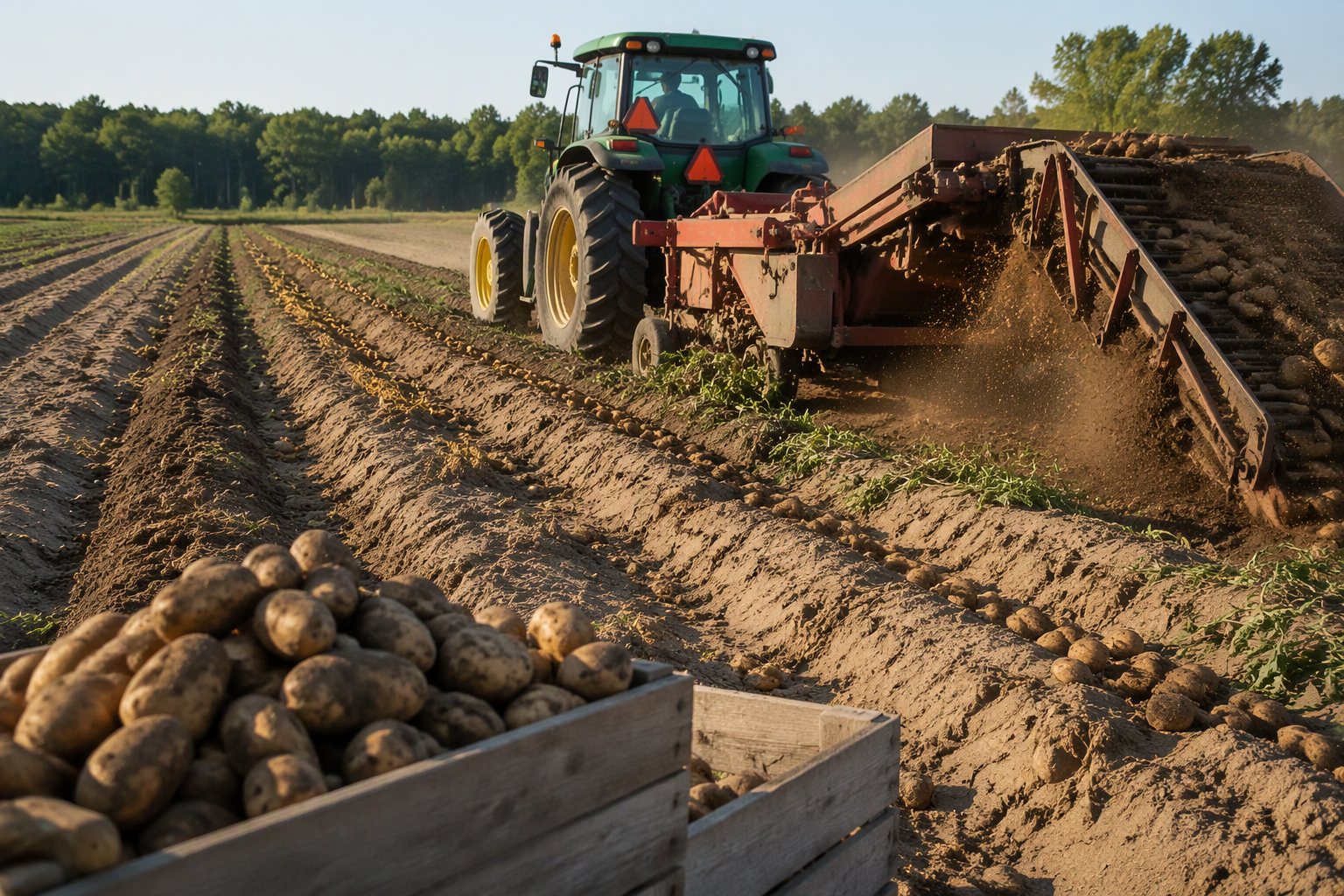
The Central Sands — a broad, flat plain of sandy soil through Portage, Waushara and Adams counties — doesn't look like prime farmland. Yet Wisconsin ranks among the nation's top three potato-producing states, and most of that crop rises out of this improbable ground.
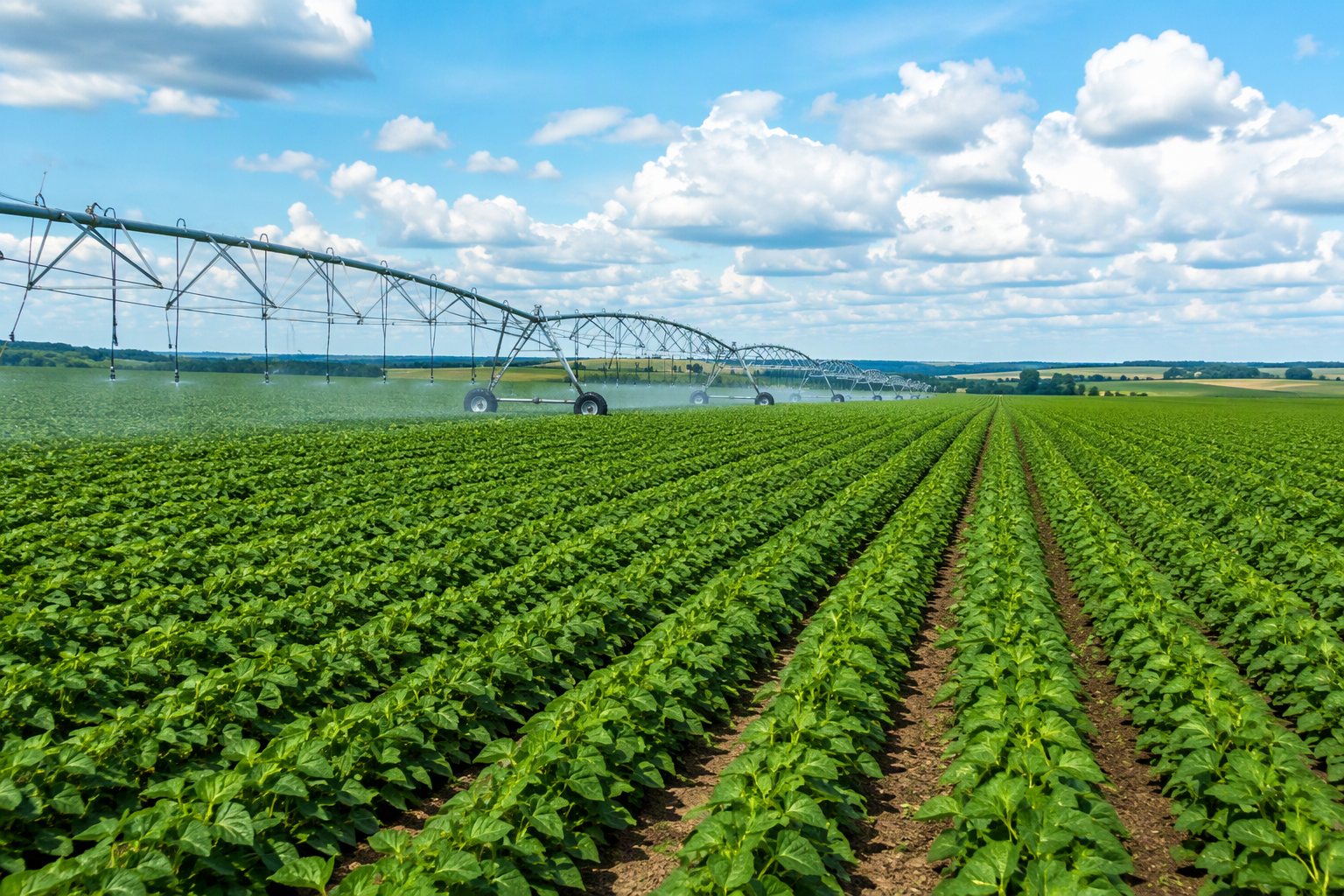
The secret is the sand itself. Sandy soils warm early in spring, drain freely and harvest cleanly — ideal for potatoes, which demand loose soil to form well. What the sand doesn't hold is water, and that's where the center-pivot irrigator came in.
Beginning in the 1950s and 60s, irrigation transformed the Central Sands. Wells tapping the region's generous aquifer fed the pivot systems whose green circles now pattern the landscape from the air, turning marginal land into some of the most productive potato and vegetable ground in America. Hancock, Bancroft and Plover became household names in the industry.
Irrigation turned the Central Sands into one of America's great potato regions — and made water the region's defining fight.
The region grows the full spectrum — russets for processors, reds and yellows for the fresh market, and huge volumes of chip potatoes for the snack industry — supported by storage sheds, processing plants and a research station at Hancock run by UW-Madison that has served growers for generations.
The Sands also became Wisconsin's central water battleground. As high-capacity wells multiplied, nearby lakes and streams — including the Little Plover River — receded or dried in drought years, prompting lawsuits, legislation and a long argument over groundwater management that continues today.
Growers have responded with some of the state's most sophisticated water stewardship programs. But the fundamental bargain of the Central Sands — world-class agriculture balanced against a vulnerable water table — remains one of Wisconsin agriculture's defining questions.