Trump, Xi and Putin Hold First Three-Way Summit in Shenzhen, Agree to Talks on Nuclear Risk
The leaders of the three largest nuclear powers met for more than an hour on the sidelines of the APEC summit. A joint account from Moscow and Beijing cites U.N. reforms and fuel supplies — but not Ukraine or Iran.
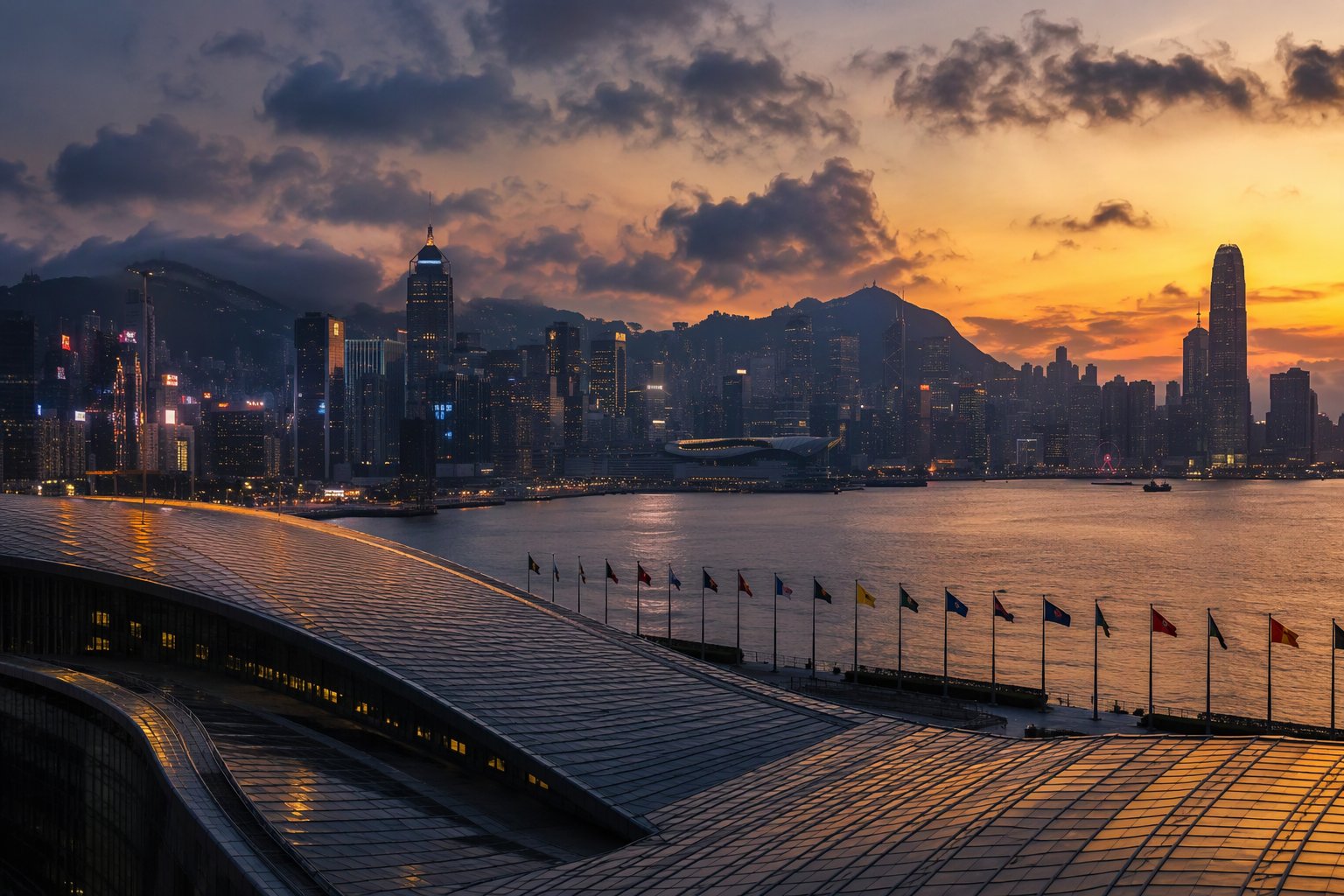
President Donald Trump, President Xi Jinping and President Vladimir Putin sat down together on Thursday in Shenzhen for the first trilateral meeting of American, Chinese and Russian leaders — a session of more than an hour, on the sidelines of the APEC summit, that produced a pledge to keep talking about nuclear risk.
China, Russia and the United States agreed on U.N. reforms, on boosting fuel supplies and on engaging in dialogue to reduce nuclear risks, according to a summary carried by Russian officials and Chinese state media after the meeting, the Associated Press reported. The declaration did not mention the wars in Ukraine or Iran, two issues Trump had said he raised with the leaders.
“We are really making history,” Trump said as the meeting opened. “The United States, Russia and China are uniquely positioned to discuss how to reduce the number of nuclear weapons on Earth and also to lessen the risk of those weapons being used.” Xi said the leaders would hold “discussions on the theme of promoting world peace,” and the state broadcaster CCTV reported that he called for nuclear weapons to be prohibited and destroyed. Putin invoked the three countries' shared history as “victors in World War II,” saying they hold “joint responsibility for maintaining international peace.”
We are really making history.
The stakes are concrete. The last nuclear arms pact between Russia and the United States, New START, expired in February, and Trump has said he wants “a new, improved and modernized” deal that includes China. Beijing has long resisted joining such talks: the Stockholm International Peace Research Institute estimated China's arsenal at 620 warheads as of January, against 5,042 for the United States and 5,420 for Russia, according to Anadolu Agency.
The trilateral was bracketed by bilateral diplomacy. Trump met Xi one-on-one, their third substantial meeting this year, and held a separate sit-down of roughly forty minutes with Putin — their first since talks in Alaska last year failed to produce a deal on Ukraine. Of Iran, Trump said during the day, according to a BBC account carried by News.az: “We're not going to let Iran have a nuclear weapon.”
Reaction split along predictable lines. Ukrainian President Volodymyr Zelenskyy had warned the meeting must not become “a Yalta 2, 3, 4,” and French President Emmanuel Macron cautioned against “an unjust peace,” while Australian Prime Minister Anthony Albanese welcomed the dialogue. Arms-control advocates kept expectations low; Daryl Kimball of the Arms Control Association said the meeting could at best start a process toward sustained talks.