U.S. and Russia Set to Oppose Geneva Talks on Limiting Autonomous Weapons
A UN conference running through Friday will decide whether to open negotiations on binding rules for weapons that can kill without human involvement. The biggest military powers want guidelines, not law.
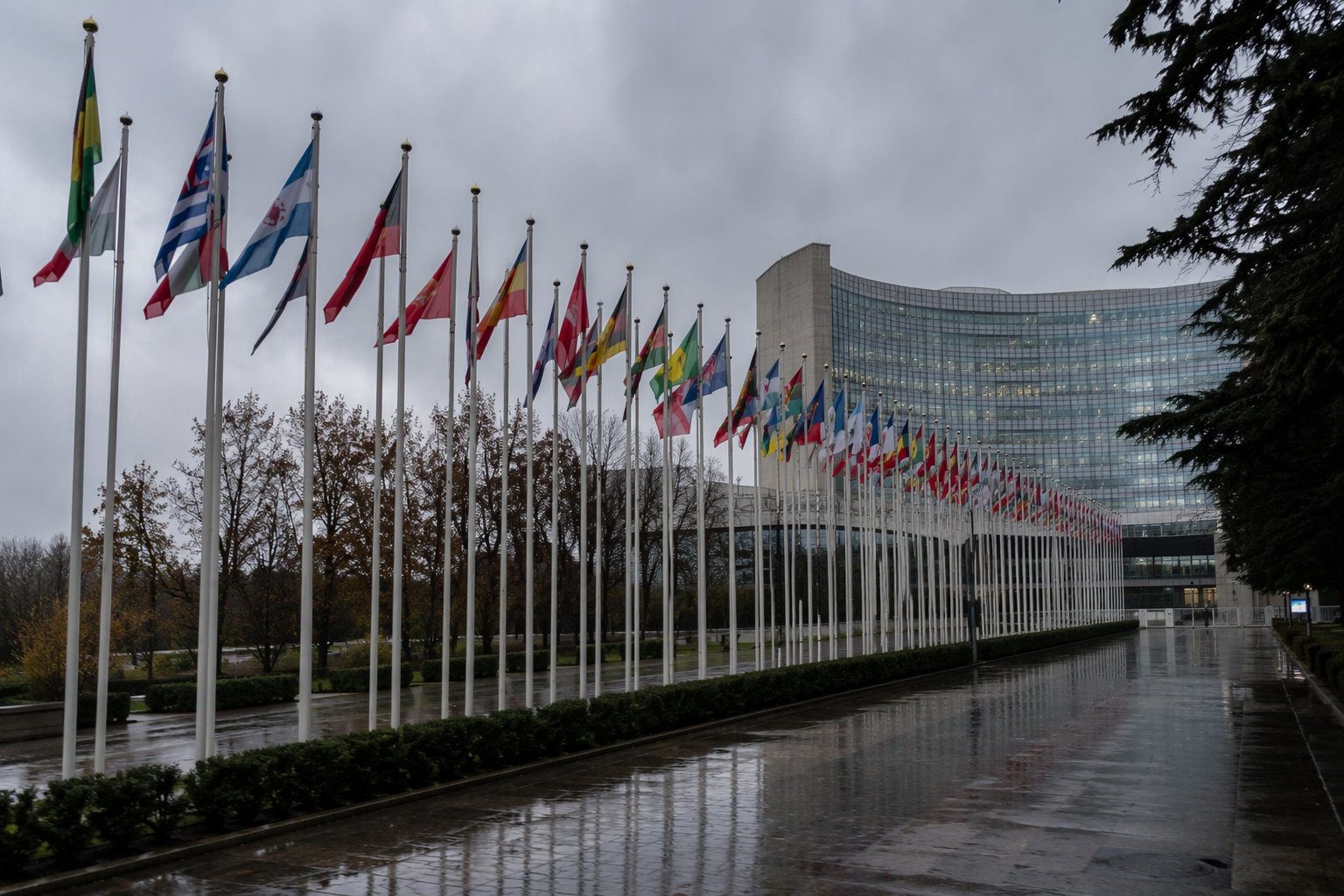
The United States and Russia are expected to oppose a push at a United Nations conference in Geneva this week to open negotiations on legally binding limits for autonomous weapons, diplomats told Reuters, setting up difficult talks that run through Friday.
The meeting — a review conference of the Convention on Certain Conventional Weapons, which counts 128 member states — opened Monday. Its central question is whether to launch negotiations on prohibitions and regulations for lethal autonomous weapons systems, known in diplomatic shorthand as LAWS.
Most of the convention's states support negotiating new rules, but the leading military powers, including the United States, Russia and Israel, oppose a binding treaty and argue existing humanitarian law is sufficient, Reuters reported. Washington has proposed a five-year process aimed at non-binding guidelines instead.
Machines should never be allowed to decide who lives and who dies on the battlefield.
Austria, Belgium, Brazil, Ireland, Mexico, New Zealand and Panama have proposed launching negotiations toward a legally binding protocol, according to the Digital Watch Observatory, while Britain, France and Germany favor talks that leave the legal form open. The chair of this week's negotiations has proposed a two-year mandate.
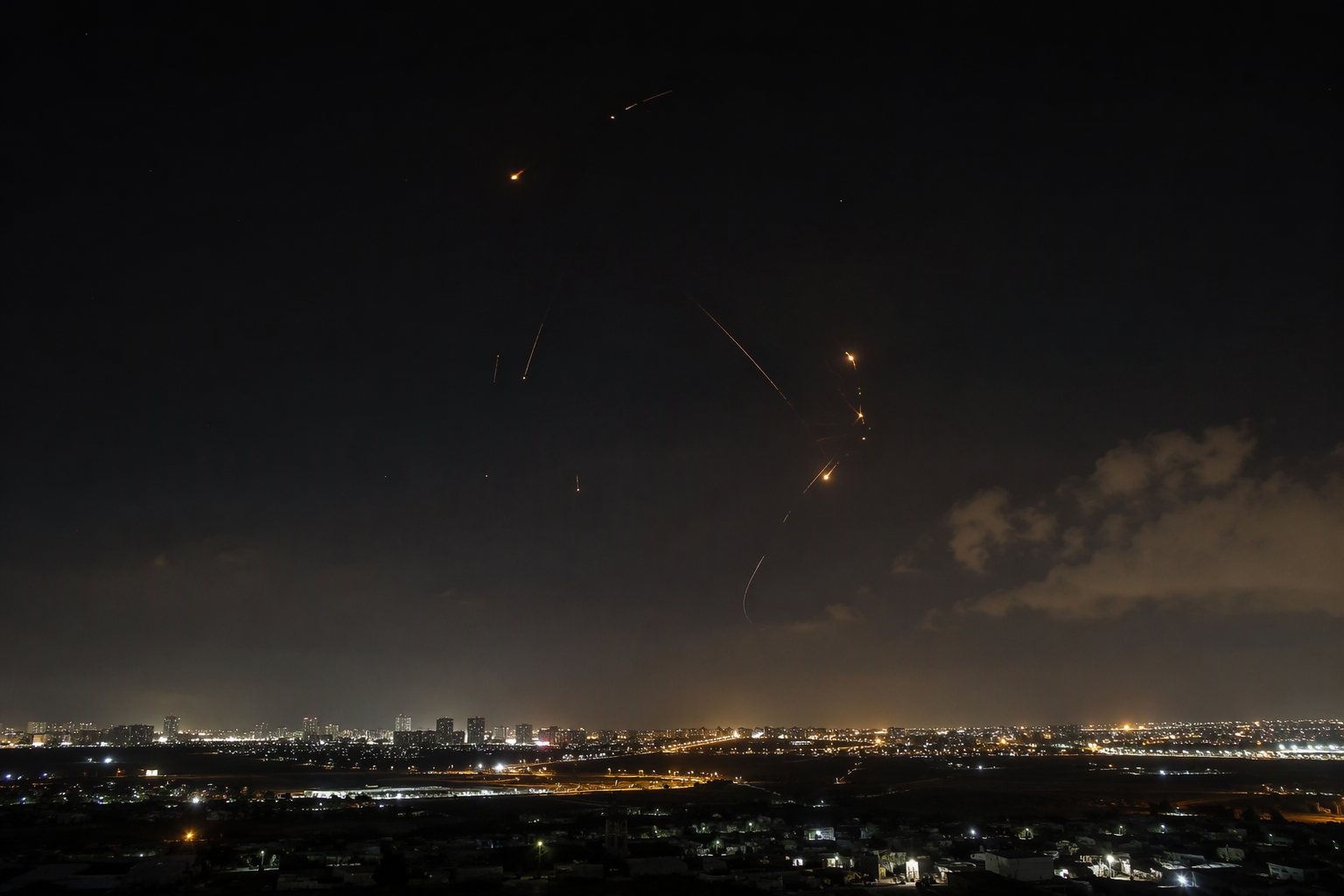
The technology has outrun the diplomacy. Semi-autonomous, AI-assisted weapons have already been used in Ukraine, Sudan and the Middle East. In September, the U.S. and Russia succeeded in softening a draft agreement, removing a requirement that a human verify AI-selected targets before a strike, the Washington Post reported.
The International Committee of the Red Cross, the UN secretary-general and the pope have all called for regulation. “Machines should never be allowed to decide who lives and who dies on the battlefield,” said Verity Coyle of Human Rights Watch. Diplomats said a compromise could still emerge by week's end.