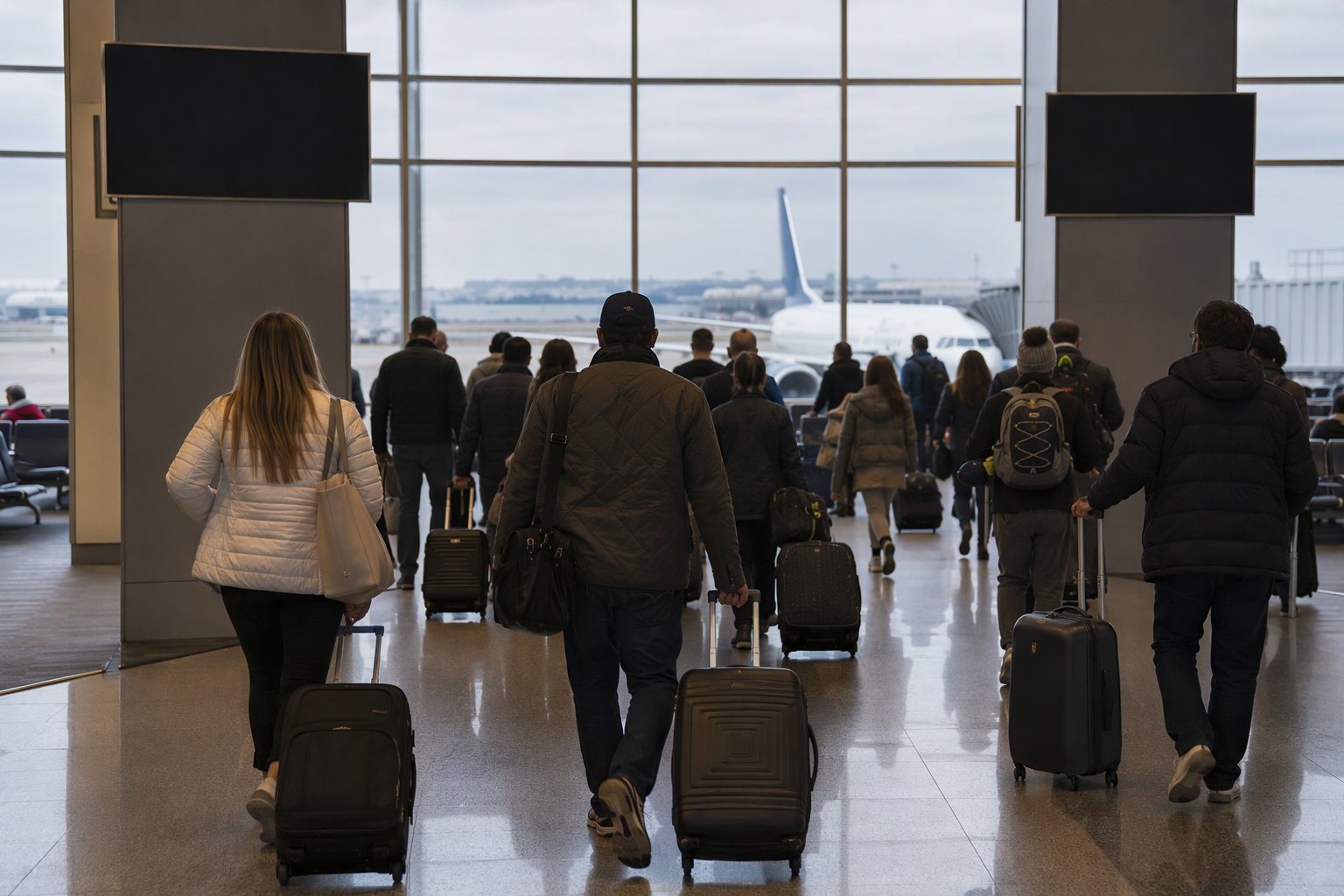
Supreme Court Returns Monday With Trump's Immigration Agenda on the Docket
The justices open their December argument session with eight cases, including a challenge to the administration's border asylum shutdown. Appeals over mandatory detention and third-country deportations are also headed to the court.
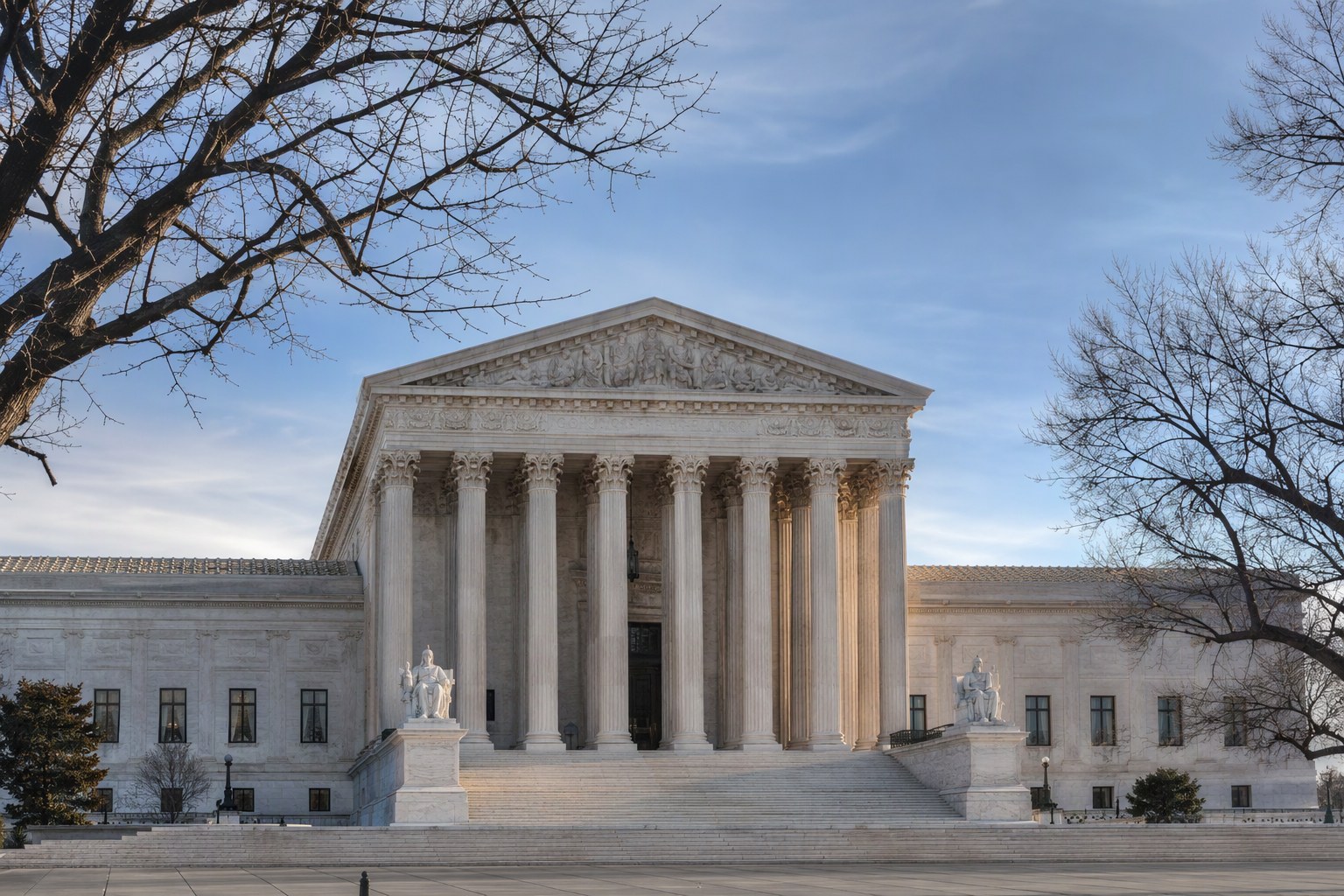
The Supreme Court returns from its Thanksgiving break Monday to open a December argument session that will test core pieces of President Trump's immigration agenda, including his proclamation shutting down asylum at the southern border. Eight arguments are scheduled across the session.
At the center is Mullin v. Refugee and Immigrant Center for Education and Legal Services, the court's review of the proclamation suspending asylum at the U.S.–Mexico border. The justices granted review in the case this month, and the ACLU noted this week that the court will weigh the challenge even as lower courts continue to rule against other parts of the agenda.
The court is also expected to consider appeals over the mandatory detention of migrants and deportations to third countries, the Associated Press reported, calling the coming lineup blockbuster cases that will define how far the administration's enforcement powers reach.
The December session, which begins Monday, Nov. 30, is not all immigration. The justices will hear eight arguments in all, touching on the Second Amendment and, in a lighter entry, the government's seizure of an airplane over the illegal transportation of beer, according to SCOTUSblog's Thanksgiving-week preview.
The asylum case lands as the administration presses on other fronts. The ACLU said a federal court this week blocked a new executive order on birthright citizenship — a separate fight that legal observers expect to reach the justices before the term is out.
Arguments in the granted cases are likely early next year, with decisions by the end of June. For Wisconsin, the stakes are not abstract: the state is home to tens of thousands of immigrant residents, and detention and deportation policy shapes caseloads from Milwaukee's immigration court to the Dane County Jail.