The Beer Barons: How Four Milwaukee Families Built America's Brewing Capital
Pabst, Schlitz, Miller and Blatz turned a Lake Michigan port into the beer capital of the world — and left a legacy of caves, castles and corner taverns that Wisconsin still drinks in.
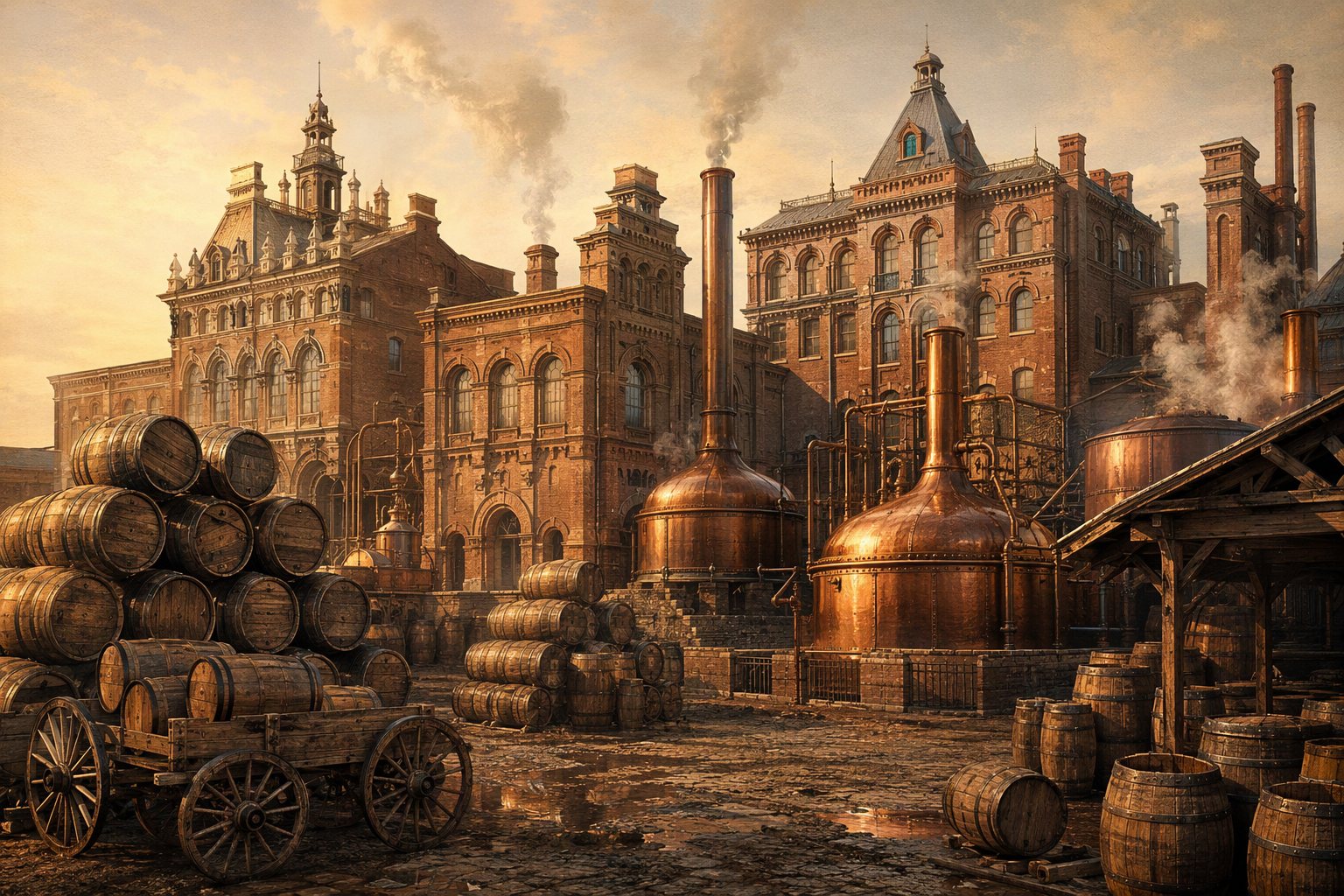
In the late 1800s, Milwaukee brewed more beer than any city on Earth. Four names above the brewery gates — Pabst, Schlitz, Miller and Blatz — became so synonymous with American beer that their slogans outlived their empires.
The recipe was geography plus immigration. Milwaukee sat on a Great Lakes shipping route, near endless ice for refrigeration and barley country to the west, and it filled with German immigrants who brought lager yeast, brewing skill and a thirst for the beer of home. By 1860 the city had dozens of breweries.
Frederick Pabst, a former steamship captain, married into the Best brewing family and built the largest lager brewery in the world, with a mansion on Wisconsin Avenue that still stands. Joseph Schlitz's operation — bought by August Uihlein after Schlitz's death in a shipwreck — made 'the beer that made Milwaukee famous.' Frederick Miller bought a small brewery in the Menomonee Valley in 1855 and built it into a giant. Valentin Blatz ran one of the city's first great lager houses before merging into the Pabst orbit.
By the 1890s Milwaukee brewed more beer than any city on Earth — and its tavern culture is the barons' living heir.
The barons built more than beer. They underwrote Milwaukee's theaters, parks and grand avenues, dug lagering caves into the bluffs, and made the corner tavern — often brewery-tied — the city's living room. Wisconsin's tavern culture, still denser than almost any state's, is their direct descendant.
The 20th century was less kind. Prohibition gutted the industry, consolidation hollowed it, and Schlitz's recipe changes in the 1970s became a business-school cautionary tale. Pabst and Blatz are now nostalgia brands; Miller survives as part of Molson Coors, still brewing in Milwaukee.
But the bones remain: the Pabst Mansion, the Schlitz and Blatz nameplates on downtown buildings, the Miller Valley tours, and a craft-brewing revival that has made Milwaukee a beer destination again — this time in dozens of taprooms rather than four empires.