Before Yosemite, There Was Fountain Lake: John Muir's Wisconsin Boyhood
The father of the national parks learned to love wildness on a Marquette County farm — and learned engineering, of all places, in a Madison basement.
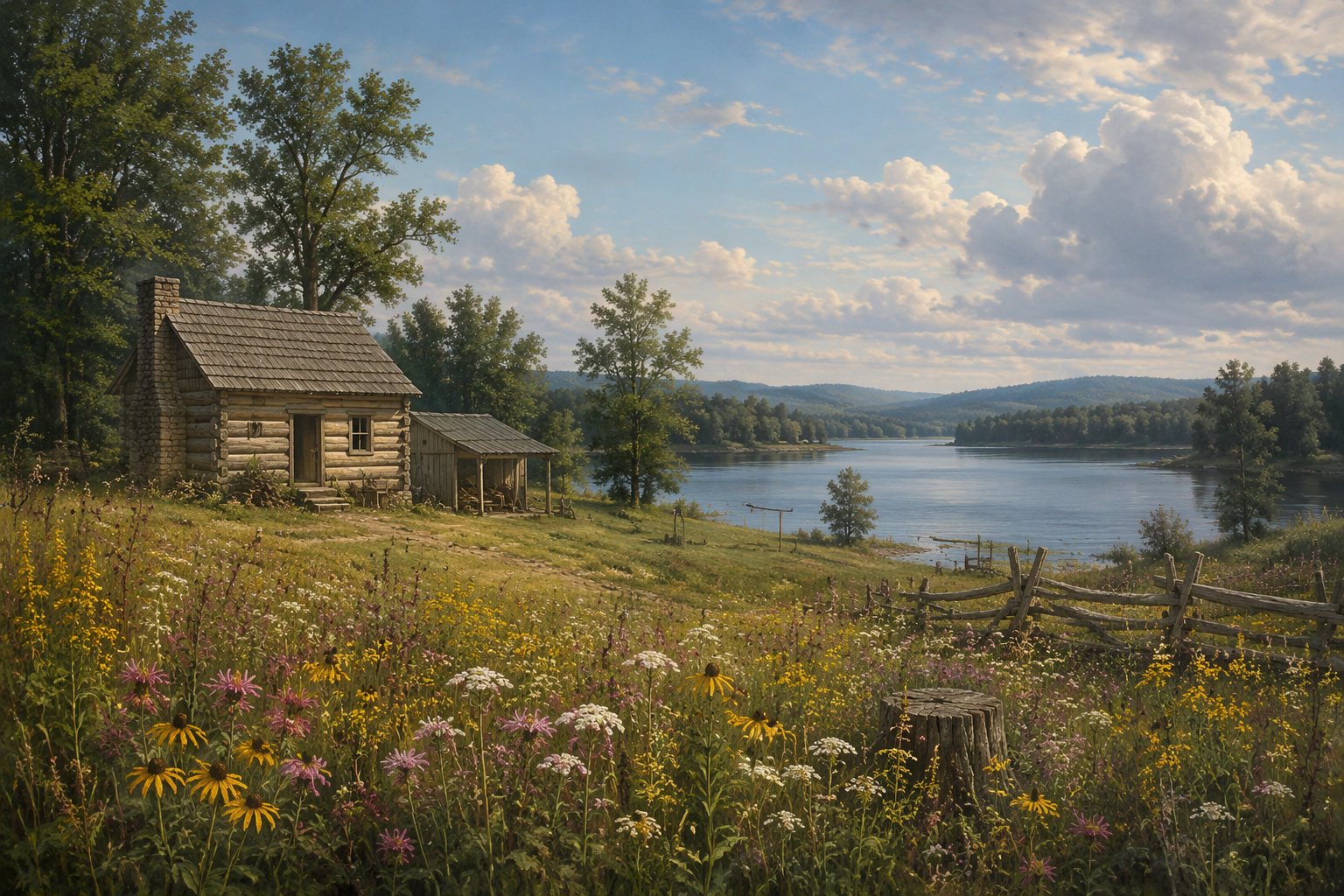
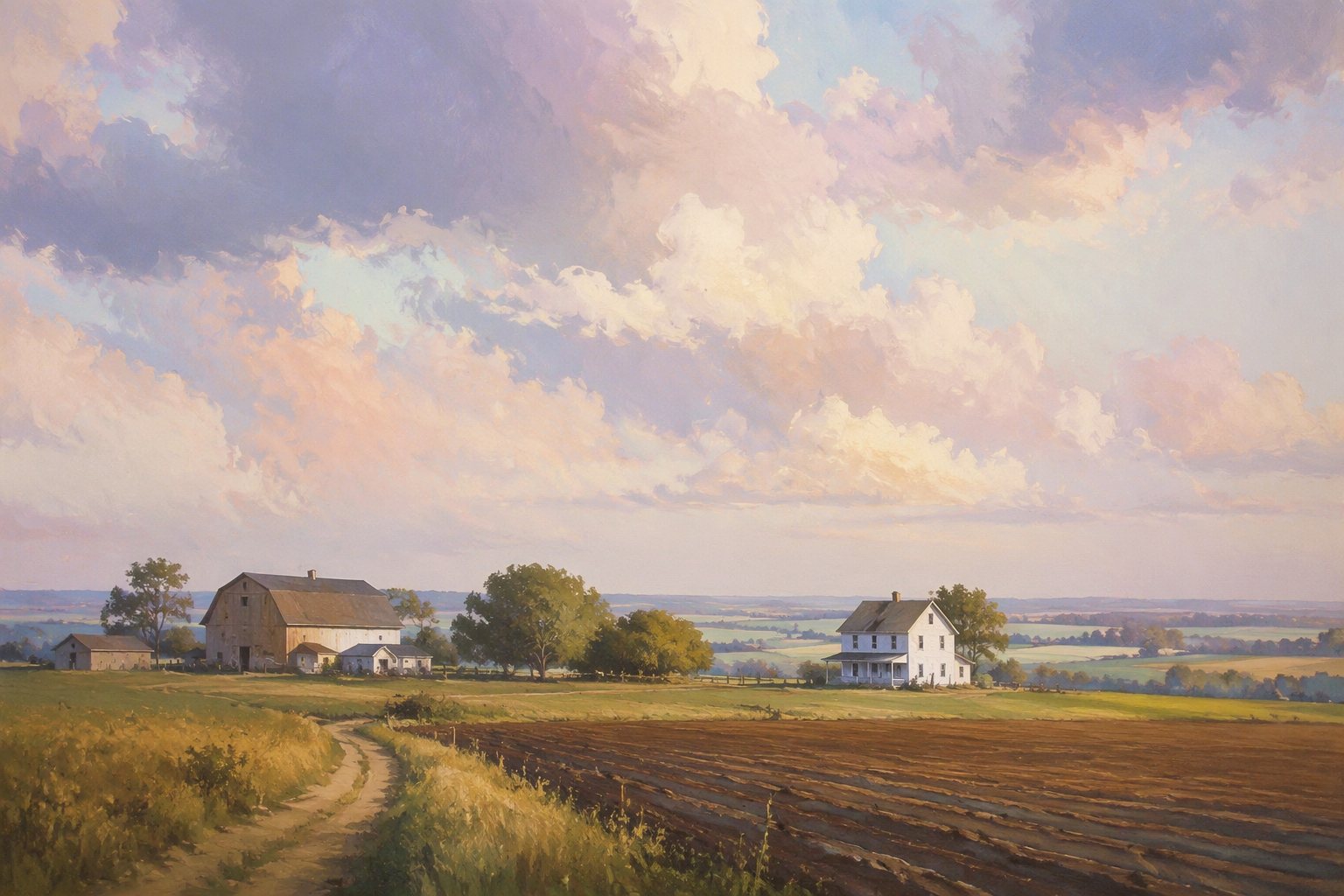
America's most famous naturalist was made in Wisconsin. John Muir spent his boyhood from 1849 on a farm near Fountain Lake in Marquette County — and he always said his love of wild things began in its oak openings and marshes.
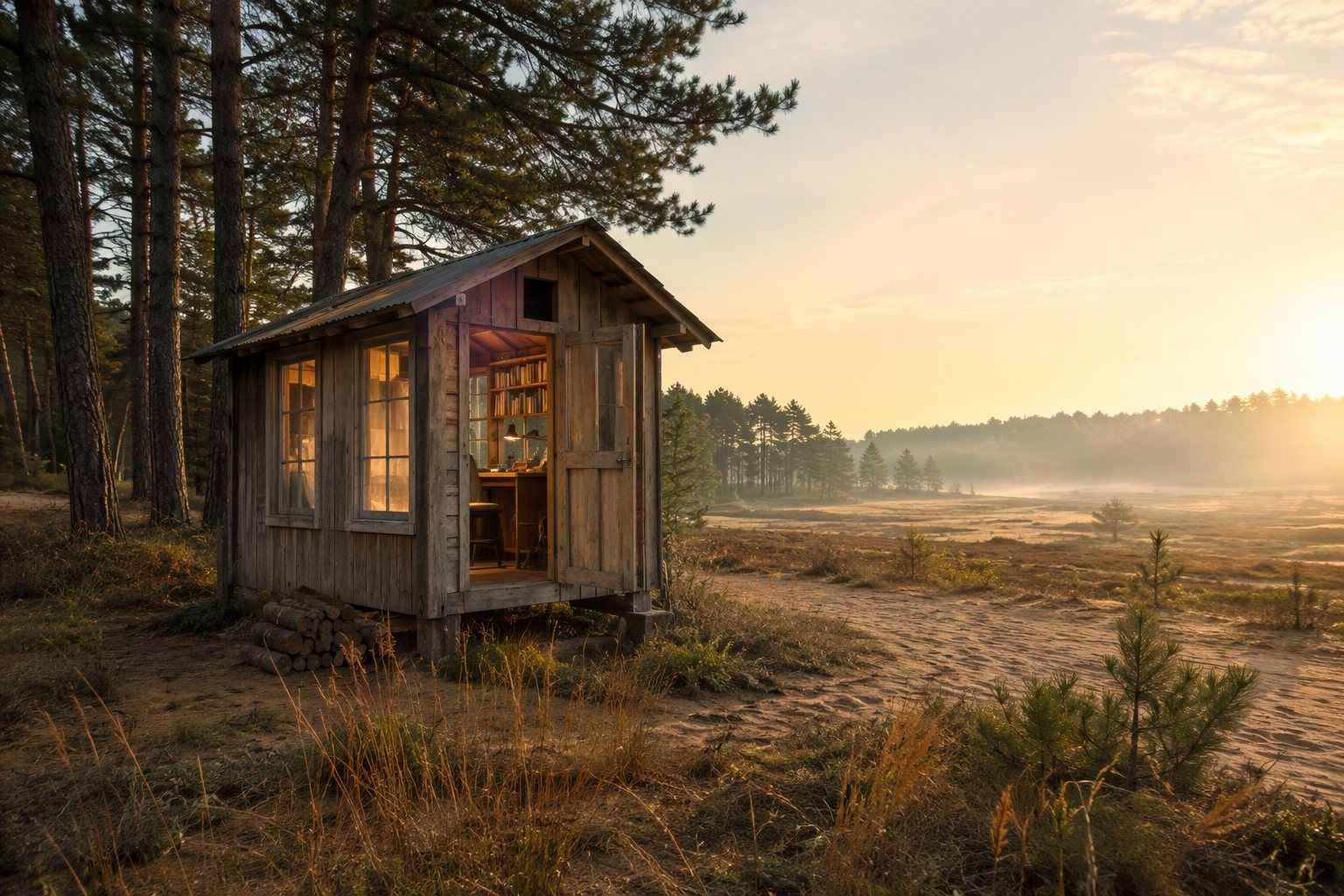
Muir's family emigrated from Scotland when he was 11, settling a farm where the boy worked from dawn to dark under a father of legendary severity. In the cellar by candlelight, young John whittled and built ingenious machines — clocks, thermometers, an 'early-rising machine' that tipped him out of bed.
His inventions, shown at the state fair in Madison in 1860, won him a path to the University of Wisconsin. Muir studied at UW for two and a half years, boarding in North Hall and devouring botany and geology; a lesson identifying a locust blossom, he later wrote, set the course of his life.
Muir said he left UW for 'the University of the Wilderness' — but his wilderness education began on a Marquette County farm.
He left without a degree — 'I was only leaving one University for another, the Wisconsin University for the University of the Wilderness' — and walked, eventually, to California, Yosemite, and fame as a writer, glacial geologist and founder of the Sierra Club.
Muir's advocacy helped create Yosemite National Park and shaped the entire national park idea; his campaigns for the preservation of Hetch Hetchy, though lost, galvanized the modern environmental movement. Wisconsin claims him proudly anyway: his boyhood farm is preserved at John Muir Memorial County Park, and his Fountain Lake years open every biography.
In 2015 the state marked the centennial of his death with renewed attention to his Wisconsin roots — a reminder that the University of the Wilderness, as Muir conceived it, had its freshman year in Marquette County.